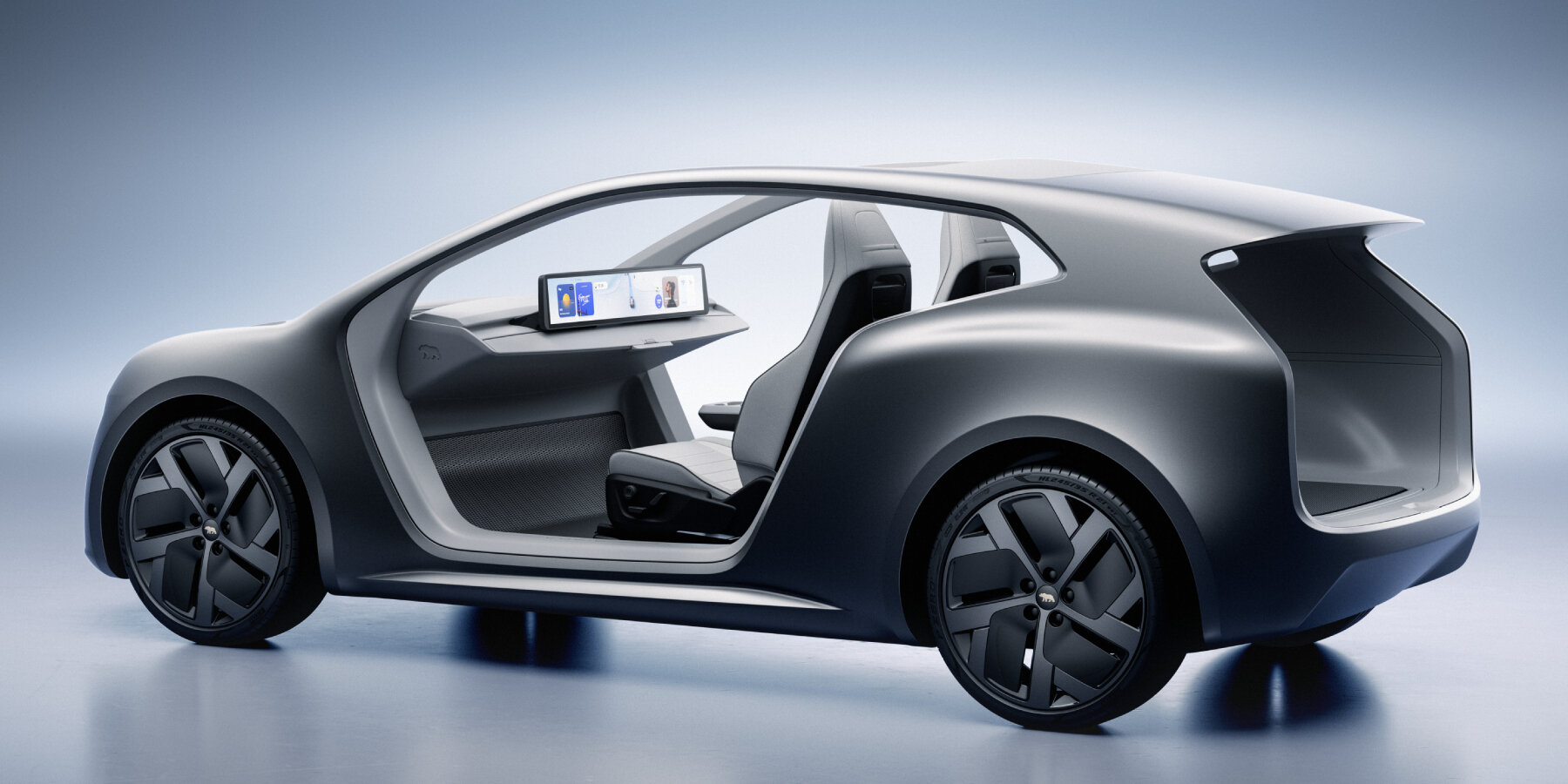
Concept electric robotaxi lunar has no steering wheel
Lucid Group unveils the concept electric robotaxi Lunar that can drive on its own without using any steering wheel and control buttons. A look inside the cabin shows that it can sit up to two passengers and in front of them lies a centered horizontal digital screen that projects the navigation and entertainment. The two-door concept electric robotaxi Lunar, which the company plans to put up on Uber as part of their partnership, comes with a silhouette that slopes from a high roofline down toward a short rear deck. The exterior body carries no beltline moldings, which are the trim strips that run along the doors on most production vehicles.
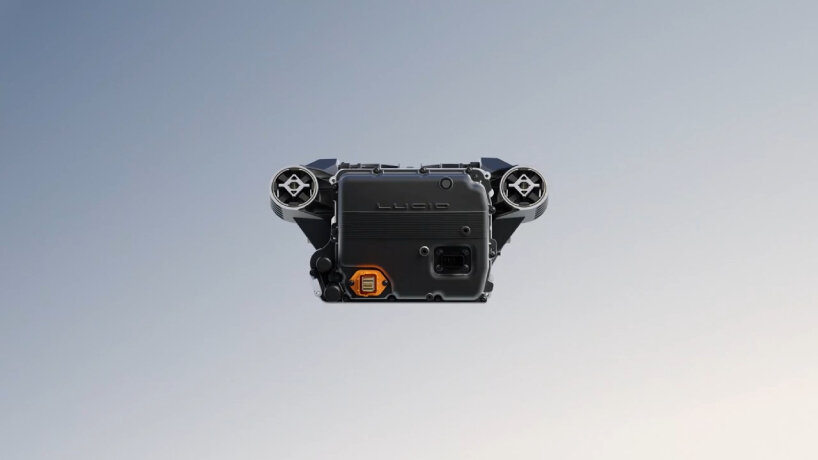
The company strips off those moldings to reduce part count and assembly time. The body reads in two tones: a dark lower section and a white upper body and roof. Then, there are the wheels, which use a ten-spoke design. The company also decides that the front and rear motor housings and mounts of the concept electric robotaxi Lunar are identical so that the assembly factory only produces one type of housing for both positions, which means fewer production lines, fewer tools, fewer workers trained to different tasks, and fewer overall costs.
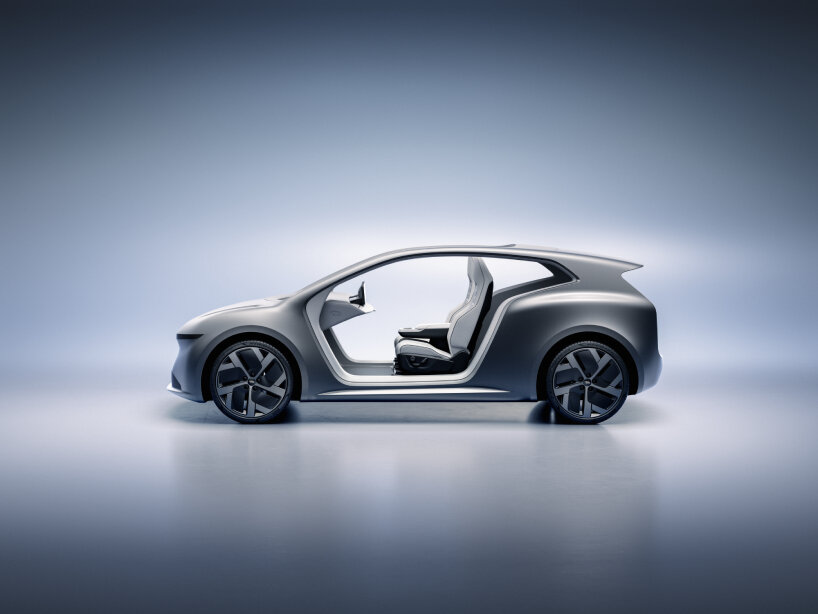
all images courtesy of Lucid Motors
Electric vehicle that can charge appliances at home
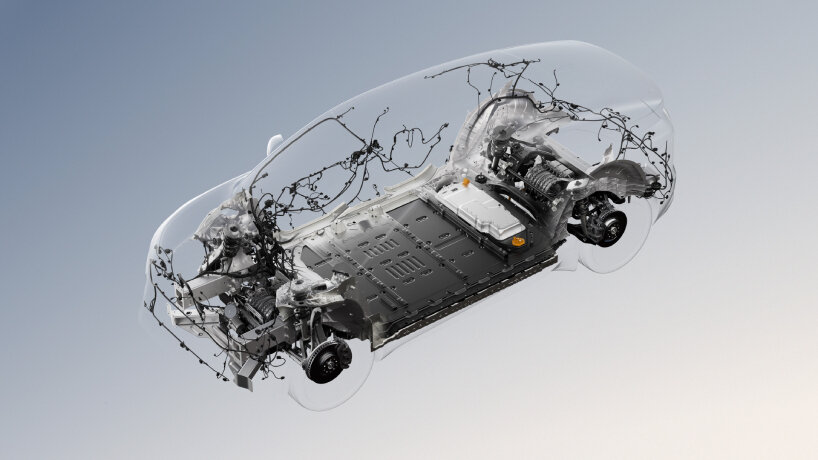
The teams at Lucid have designed the Midsize platform for their ‘autonomy-ready’ vehicles. It means that it’s currently working towards making these cars drive on their own, with the hardware mounting points, sensor integration zones, and electronic controls already in place for autonomous systems. The platform uses three electronic control units total, while most current production vehicles use between 10 and 30. For the company, fewer control units means fewer points of failure.
Tech-wise, the concept electric robotaxi Lunar plans to use a 69-kilowatt-hour battery pack to deliver approximately 300 miles of range at up to 4.5 miles per kilowatt hour. The platform also supports 800-volt charging architecture, which means the battery can accept energy faster than a 400-volt system. Users can also charge the vehicle with bidirectional charging in four modes: vehicle-to-home, vehicle-to-load, vehicle-to-vehicle, and vehicle-to-grid. In this way, when users don’t have electricity at home, they can use the car to power up their appliances. So far, company Lucid has no official announcement yet on the production timeline of the concept electric robotaxi Lunar.
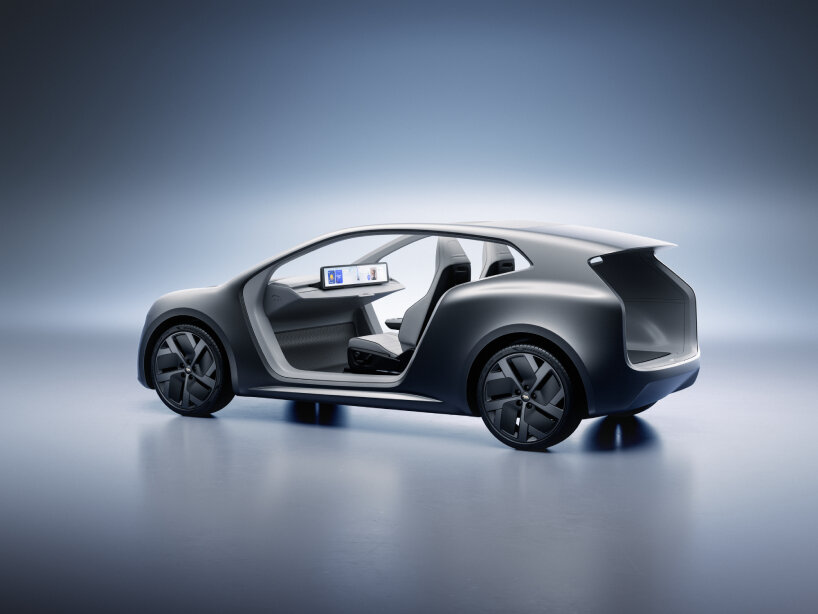
Lucid Group unveils the concept electric robotaxi Lunar that can drive on its own
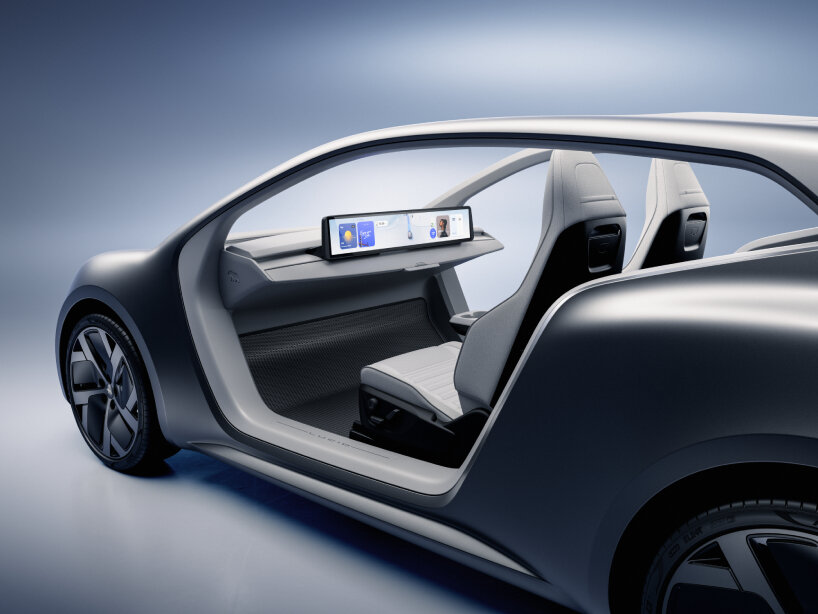
the cabin has no steering wheel or control buttons
the exterior body carries no beltline moldings, which are the trim strips that run along the doors
the teams at Lucid have designed the Midsize platform for their ‘autonomy-ready’ vehicles
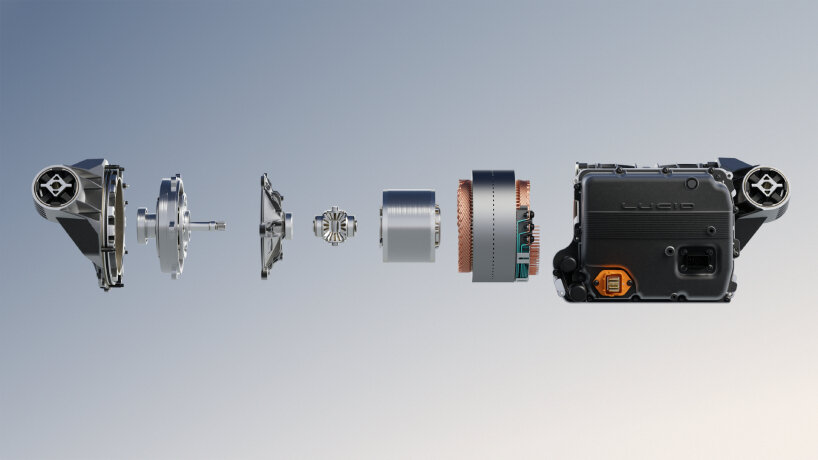
view of the electric drive unit Atlas
project info:
name: Lunar
company: Lucid | @lucidmotors
car concept (408)
 Mar 02, 2026
 Feb 12, 2026
 Feb 11, 2026
 Jan 22, 2026
 Dec 15, 2025
car design (1018)
Mar 02, 2026 Feb 19, 2026
 Feb 17, 2026
 Feb 17, 2026 Feb 11, 2026
driverless cars (172)
 Jan 09, 2026
 Oct 30, 2025
 Oct 29, 2025
 Sep 10, 2025
 Apr 28, 2025
electric automobiles (711)
Feb 11, 2026 Jan 22, 2026 Jan 08, 2026 Dec 15, 2025
 Dec 12, 2025
uber (19)
Sep 10, 2025 Apr 28, 2025 Aug 31, 2024
 Jan 12, 2022
 Jan 07, 2020
 Mar 04, 2026
 Feb 26, 2026
 Feb 23, 2026
 Feb 14, 2026