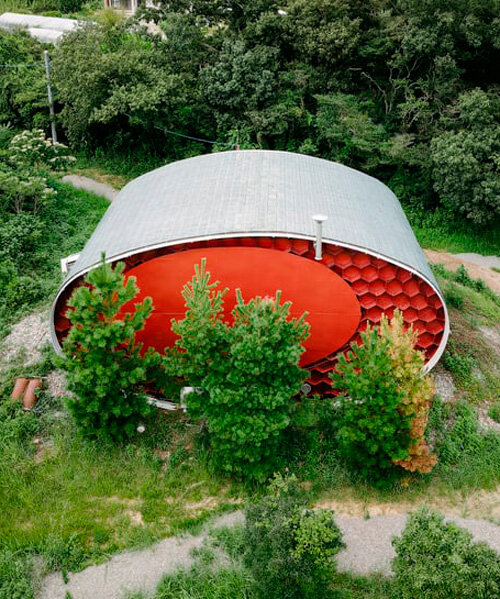
beehive facade screens renovated hotel unit made of corrugated pipes in japan
monotrum transforms a corrugated pipe structure, originally built in 1965 by kenji kawai, into an accommodation facility.
[FEATURED]
monotrum redesigns Kenji Kawai’s corrugated house
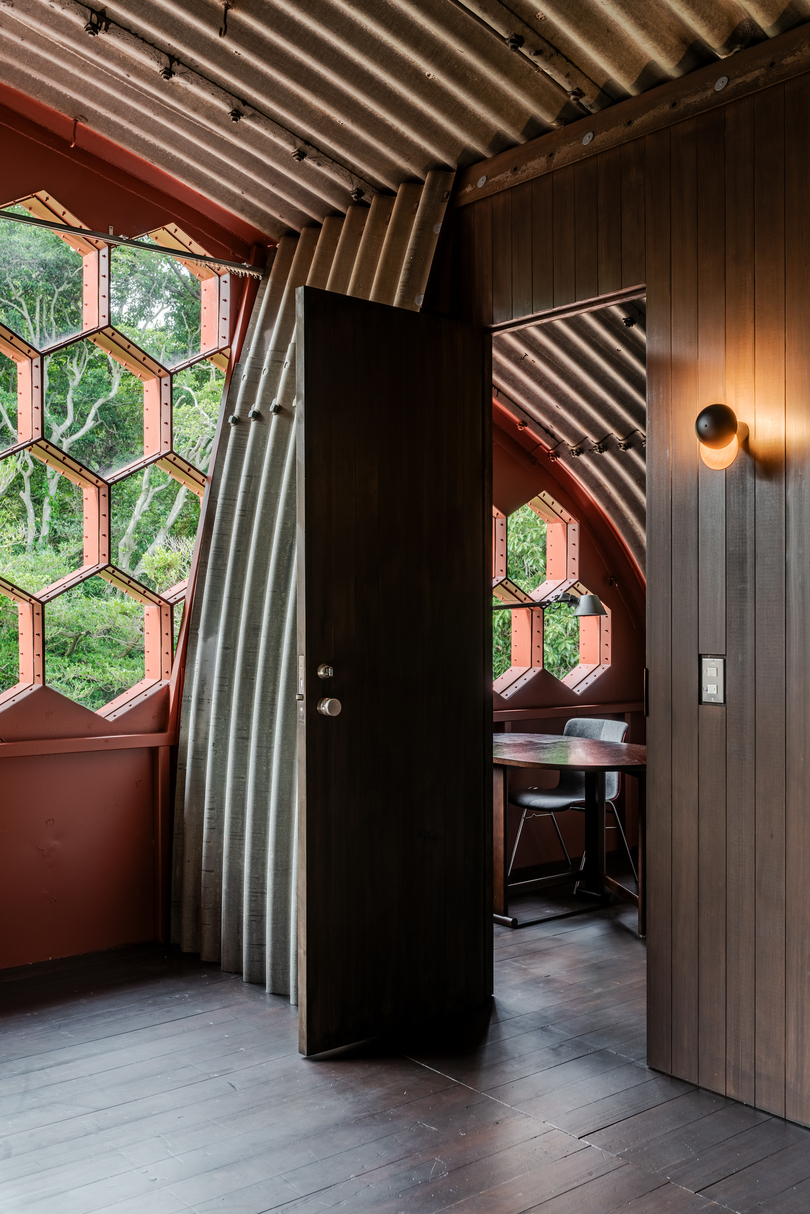
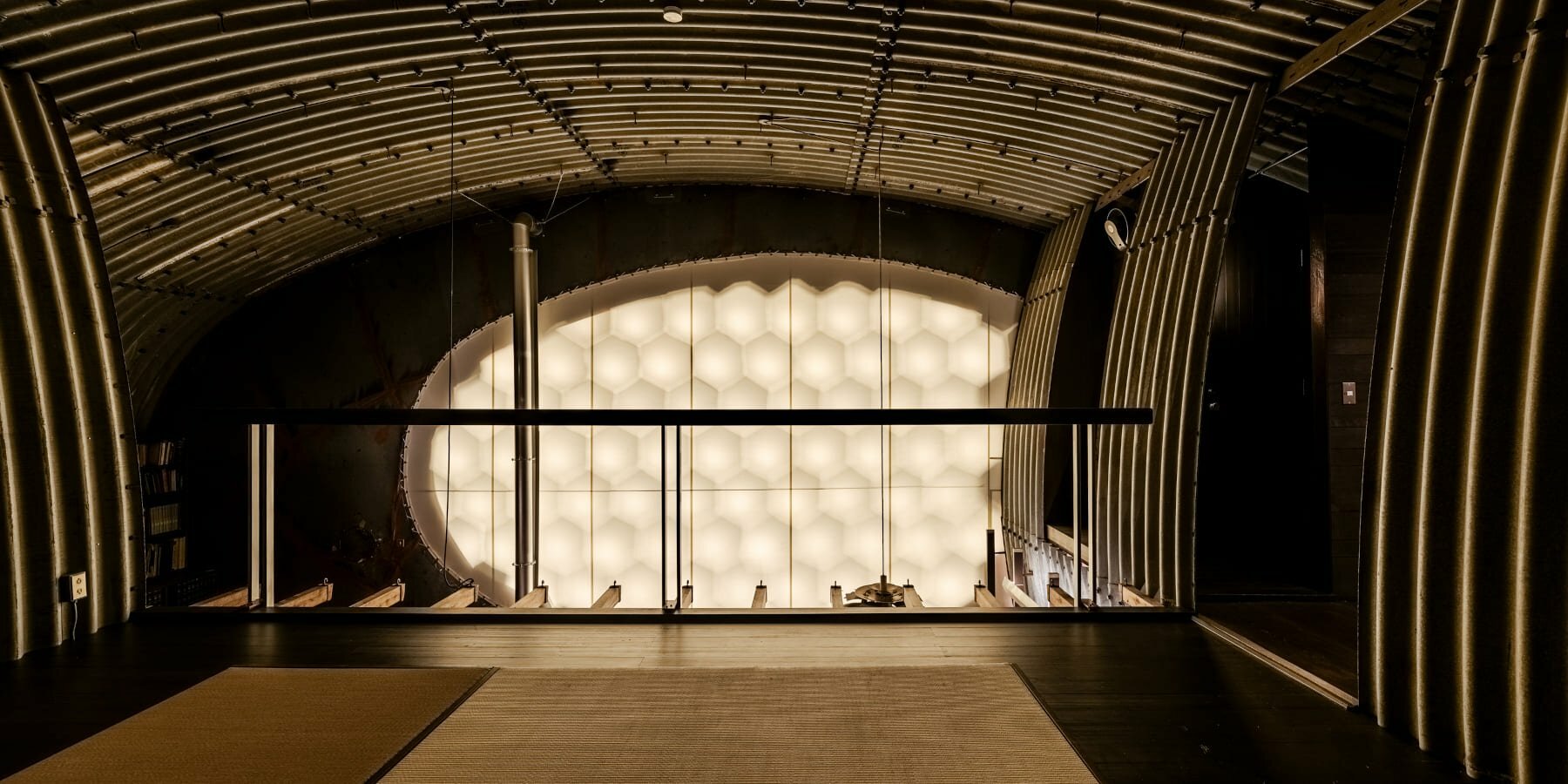
Corrugated House project by monotrum transforms a structure constructed from a corrugated pipe, a civil engineering material, into an accommodation facility. Originally built in 1965 by Kenji Kawai, as his personal residence, the building gained recognition from DOCOMOMO as a Modern Movement structure in Japan. In the renovation process, the design team aimed to preserve it not merely as a static cultural asset but as a place where visitors could engage with the architecture through an overnight stay.
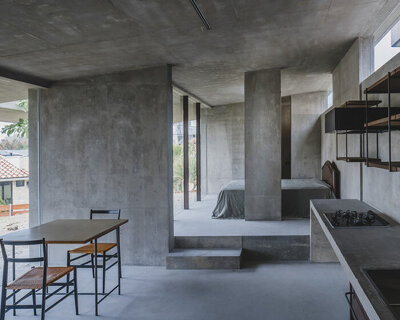
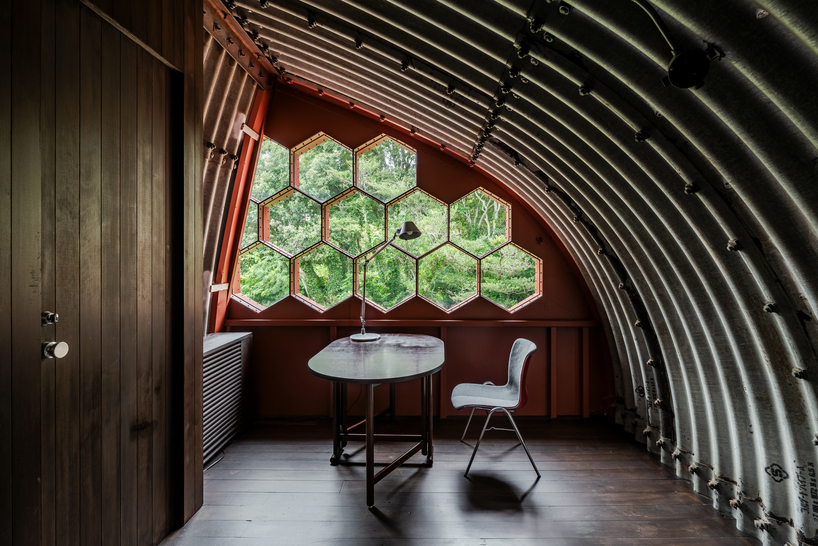
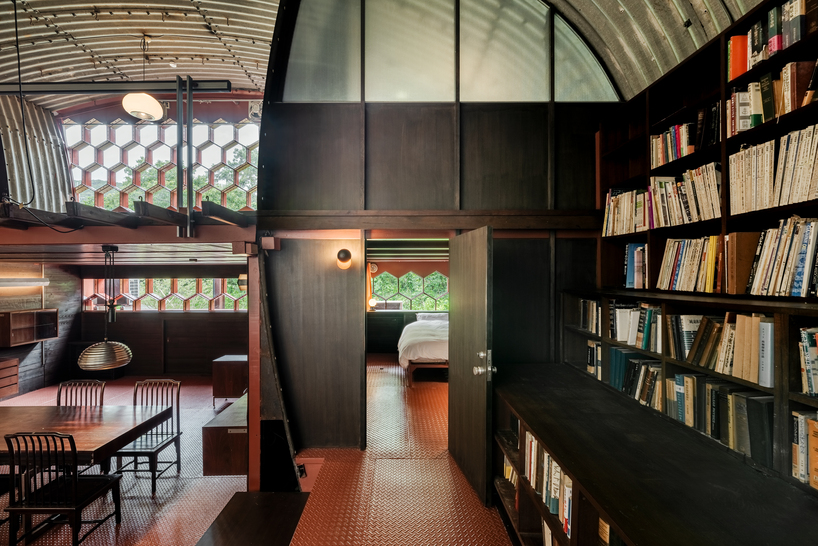
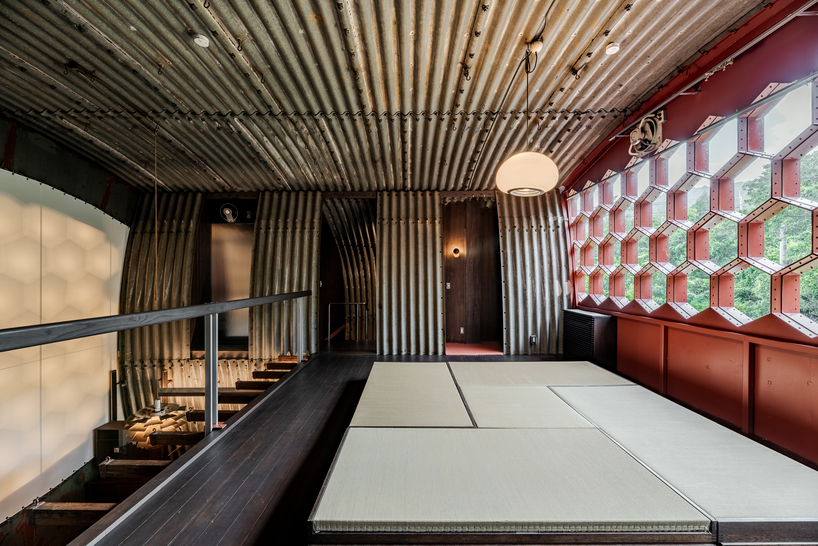
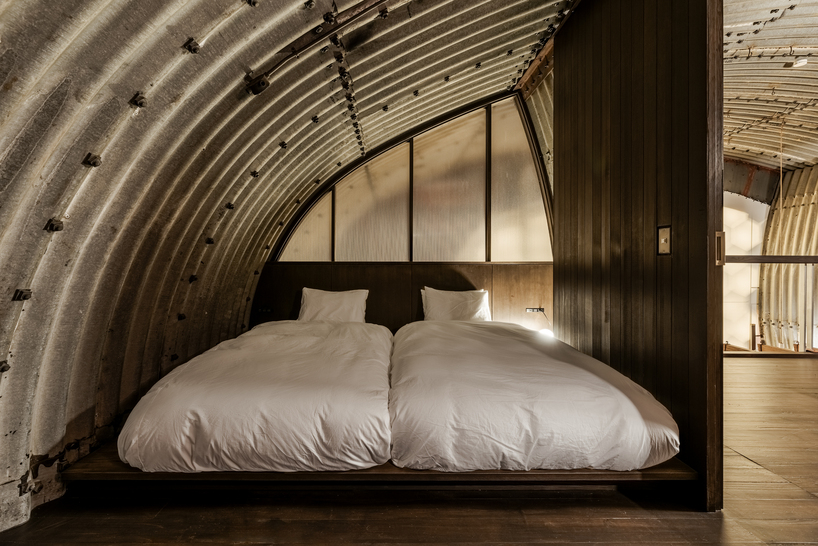
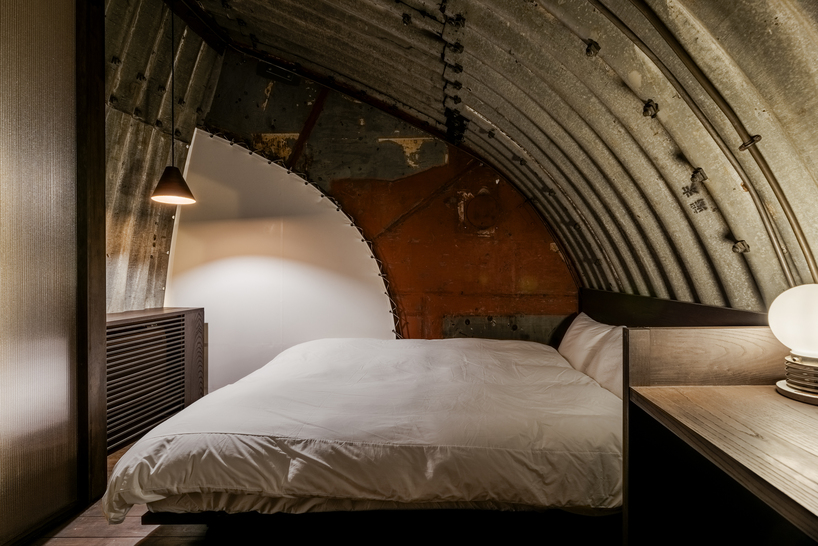
The original construction, designed as a house, featured an open one-room space with minimal components – a tunnel-like structure made of corrugated pipes, walls to enclose both ends and a floor between them. The absence of separate rooms, even in the bathroom and toilet areas, prompted the need to create distinct spaces for guest rooms and sanitary facilities. To achieve this, new walls were strategically planned to fill the gaps between existing structural elements, creating independent spaces.
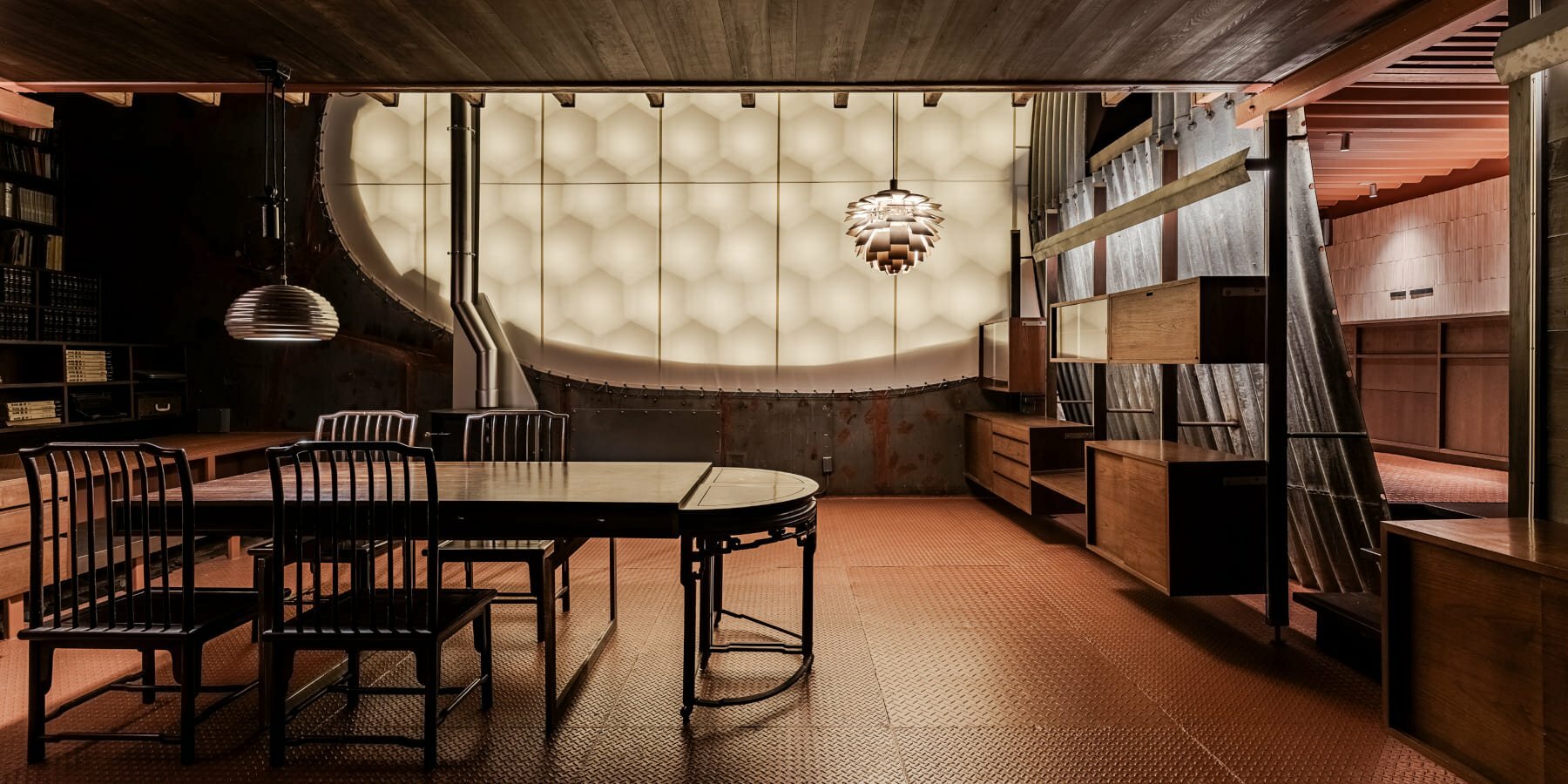
The newly constructed walls, aligning with the existing flooring specification, are finished with dark brown wooden paneling. Furniture items such as beds, desks, and floor-mounted air conditioner covers are crafted from dark brown-stained wood, introducing a tone that complements the rough iron material. The deliberate contrast between the two materials was a key design consideration.
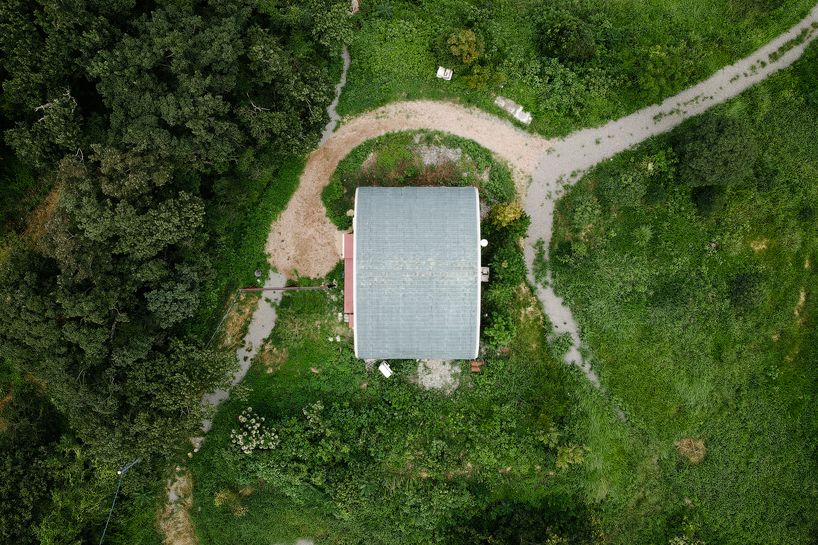
monotrum preserves corrugated house’s unique charm
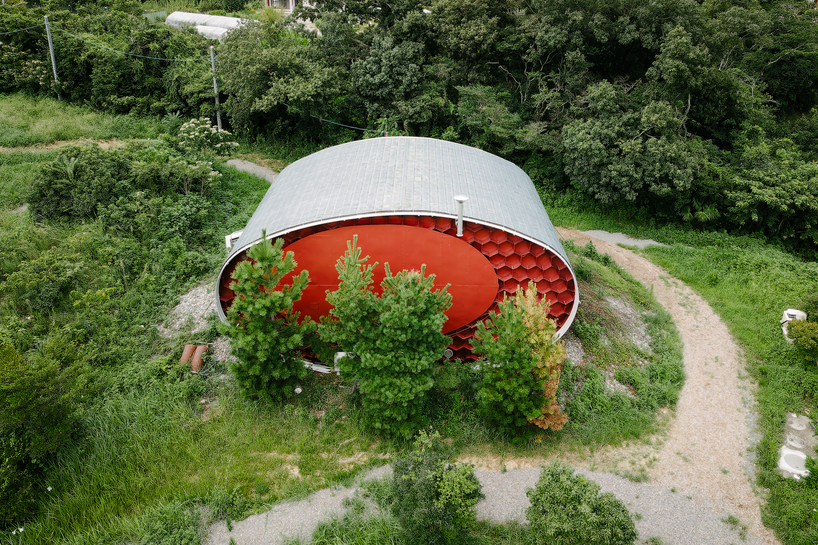
A large hole on the south wall, initially intended as a window but sealed off due to excessive brightness, was reimagined. Covered with an oval canvas, the hole was revitalized by installing lighting inside, and a translucent tent fabric was applied in place of the canvas. The architectural team transformed the dormant hole into a new light source, adding a functional aspect to its design.
To extend the impact of the iconic wall light, the walls of the guestrooms incorporate permeable hollow polycarbonate panels. These panels allow the light from the iconic wall to filter into the guestrooms, enhancing the overall aesthetic.
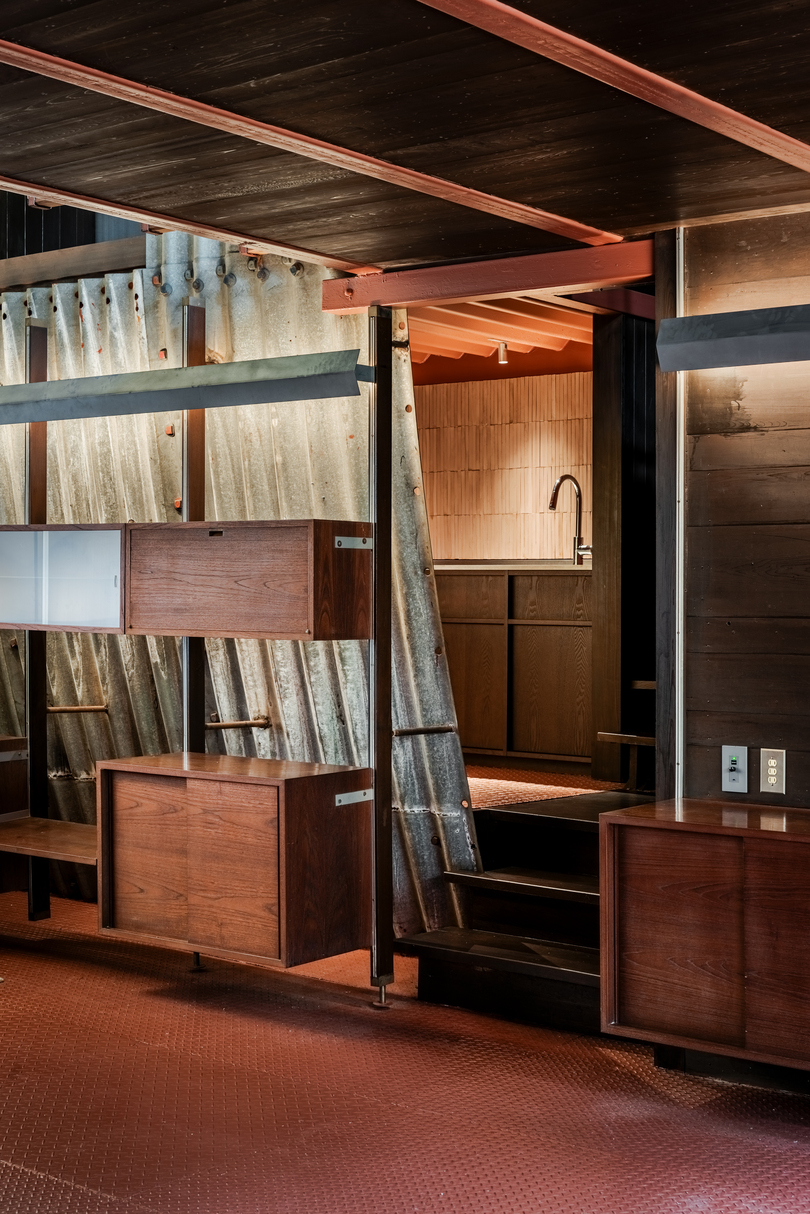
Movable shelves on the first floor were designed to accommodate both board and box shelves using off-the-shelf shelf posts with custom-fabricated brackets. Following this concept, a movable bracket light, matching the galvanized finish of the corrugated pipes, was created. This approach involved reinterpreting the existing architecture’s elements and reconstructing it to serve a new purpose, preserving the corrugated house’s unique charm while transforming it into a functional lodging space. The goal was to ensure that the designed space contributes to an appealing lodging experience, promoting the continued use of this distinctive architectural structure.
project info:
name: Corrugated House
architect: monotrum | @monotrum_studio
design team: Nobuhiko Kitazato | @nobuhiko_kitazato – Takuya Ishii | @takuya_ici
area: 134 sqm
location: Aichi prefecture, Japan
photography: Yoshiro Masuda
designboom has received this project from our DIY submissions feature, where we welcome our readers to submit their own work for publication. see more project submissions from our readers here.
shop
your own online design shop — no sales commission collected